



Spotting ice on your air conditioner in the middle of a South Florida summer might seem strange, but it is actually a fairly common sign that something is off with your system. Left alone, a frozen AC unit stops cooling effectively and can lead to more serious damage over time.
Cool By Design has been diagnosing and fixing AC issues like this across South Florida for over 15 years. Here is what causes ice to form on your unit and what you can do about it.
What Are Evaporator Coils and Why Do They Freeze?
Your evaporator coils are a series of metal tubes that carry refrigerant through your system. Their job is to absorb heat from the warm air inside your home, which is what brings the temperature down. When something disrupts that heat exchange process, the surface of the coils drops below freezing and moisture in the air condenses into ice.
In Oakland Park’s humid climate, that moisture buildup happens fast. A small issue can turn into a fully frozen coil in a matter of hours, which is why it is worth addressing as soon as you notice it.
Common Reasons Your AC Unit Is Freezing Up
Restricted Airflow
Restricted airflow is the most common reason evaporator coils freeze. When warm air cannot reach the coils properly, the refrigerant gets too cold and ice begins to form. Here are the most common airflow issues to check first:
- Dirty or clogged filter
- Blocked return vents
- Closed supply vents
- Furniture covering registers
If you have checked all of these and the problem persists, you may be dealing with an internal issue like a ductwork leak or a failing fan motor. Those require a professional inspection. According to the U.S. Department of Energy, keeping airflow unrestricted is one of the simplest ways to maintain AC efficiency.
Thermostat Issues
Running your system at an extremely low temperature setting for extended periods can cause it to overwork and freeze up. Make sure your thermostat is set to a reasonable temperature and is in cooling mode rather than fan-only.
Inaccurate readings can also be a factor. If your thermostat is placed near a heat source, in direct sunlight, or near a drafty window, it may not read your home’s temperature correctly. If your system keeps running after reaching the set temperature, have the wiring inspected by a technician. Visit our AC repair page for help with thermostat and system diagnostics.
Low Refrigerant Levels
Low refrigerant is a common cause of frozen coils. When refrigerant levels drop, the heat transfer process breaks down and the coils get colder than they should. This is almost always the result of a leak rather than normal wear.
Signs you may have a refrigerant leak include:
- Weak airflow from vents
- Warm air despite a cooling setting
- Hissing or bubbling near the unit
- Rising energy bills unexpectedly
- Sweet or chemical smell indoors
The EPA requires that only certified technicians handle refrigerant repairs. A professional needs to locate and fix the leak before recharging the system, so this is not something to attempt on your own.
Dirty Evaporator Coils
Even with a filter in place, dust and small debris can work their way onto the coils over time. A buildup of grime acts as an insulating layer that blocks heat transfer and forces the system to work harder than it should.
Coil cleaning is part of a standard annual tune-up and is one of the most effective ways to prevent freezing and keep your system running efficiently. Learn more on our AC maintenance page.
What to Do If Your AC Unit Is Frozen
If you notice ice on your unit, turn the system off and let it thaw completely before running it again. Running a frozen AC puts serious stress on the compressor, which is one of the most expensive components to replace. Once thawed, check your filter and make sure all vents are open and unblocked before restarting.
If the ice comes back or you are unsure what caused it, call a professional. Frozen coils are usually a symptom of a deeper issue that will keep returning until the root cause is addressed. The sooner you get it looked at, the less likely it turns into a costly repair.
Why Oakland Park Homeowners Trust Cool By Design
Cool By Design is a locally owned HVAC company with over 15 years of experience serving South Florida homeowners. We are built on honest service, quality workmanship, and a commitment to getting it right the first time.
Here is what you get when you work with us:
- $49 service calls
- $99 AC tune-ups
- Free UV light with system replacements
- Emergency HVAC service
- Indoor air quality solutions
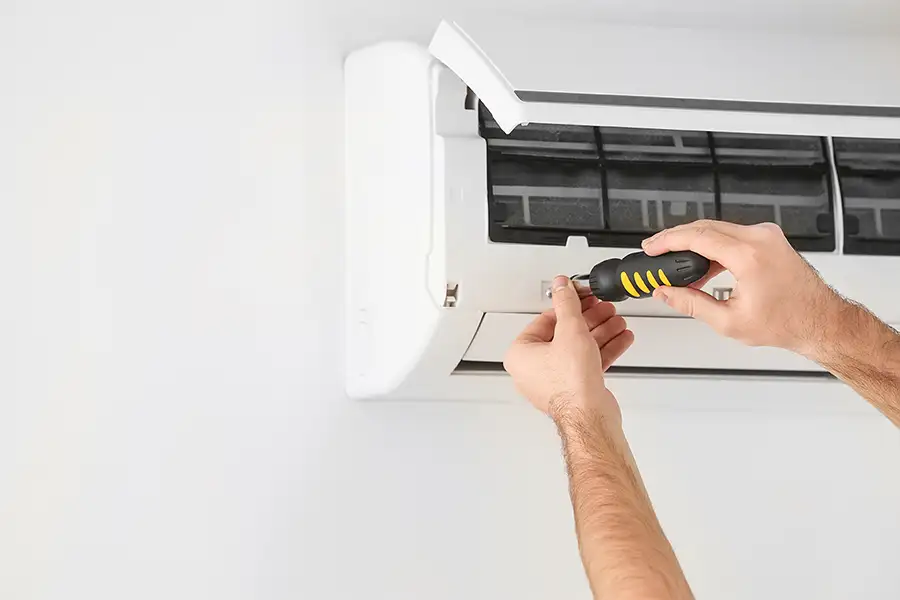
Ice on Your AC? Call Cool By Design
A frozen AC unit is not something to wait on. The longer it runs with an underlying issue, the more likely it leads to a costly repair that could have been avoided.
Cool By Design offers $49 service calls so you can get a professional diagnosis without a big upfront commitment. Call us or visit our contact page to schedule your appointment today.
Frequently Asked Questions
Is it normal to see ice on my AC unit in summer?
No. Ice on your AC is always a sign that something is wrong, even in hot weather. It usually points to restricted airflow, low refrigerant, or dirty coils.
Can I run my AC if it has ice on it?
You should turn it off and let it thaw first. Running a frozen unit puts stress on the compressor and can lead to more serious damage.
How long does it take for a frozen AC to thaw?
Most units take two to four hours to thaw completely. Switching to fan-only mode can help speed up the process.
How do I prevent my AC from freezing up?
Change your filter regularly, keep all vents open and unblocked, and schedule an annual tune-up. These steps address the most common causes.
When should I call a professional about a frozen AC?
If the ice returns after thawing, or if you notice warm air, strange sounds, or higher energy bills, call a technician. These are signs of a deeper issue that needs professional atte